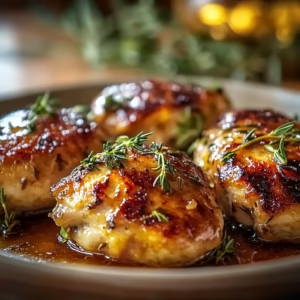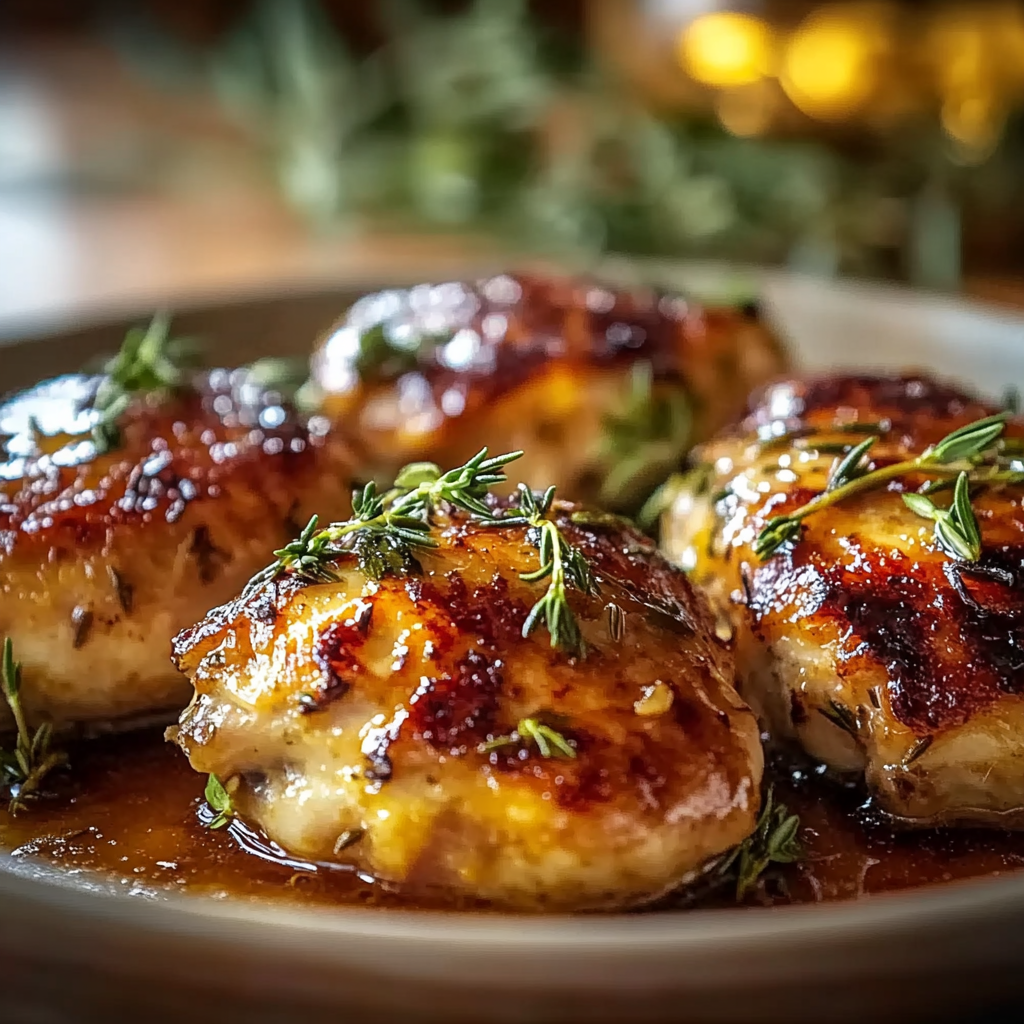
Melt In Your Mouth Chicken is a comforting dish that marries tender, juicy chicken thighs with a velvety sauce infused with fresh thyme and a hint of lemon. This one-pan meal brings restaurant-quality flavor to your own kitchen without the hassle. Perfect for busy weeknights or family dinners, it relies on simple techniques and wholesome ingredients to create a dish that’s both nourishing and deeply satisfying.
What makes this chicken truly melt-in-your-mouth? The secret lies in the gentle simmering process that breaks down the connective tissue while the creamy sauce infuses every bite with moisture. Whether you’re a beginner or an experienced cook, this recipe delivers consistent results when you follow a few key steps. The finished dish pairs beautifully with crusty bread, roasted vegetables, or simply a mound of fluffy rice. Let’s dive into why this recipe is a game-changer for your home cooking routine.
What is Melt In Your Mouth Chicken?
Melt In Your Mouth Chicken is a tender, flavorful dish featuring chicken thighs slow-cooked in a rich sauce made with chicken broth, whole milk, and aromatic herbs. Unlike traditional stovetop recipes that lean on heavy cream or wine, this version uses a balanced base of flour, butter, and natural juices to create a smooth, slightly tangy sauce. The technique emphasizes gentle cooking to preserve moisture while allowing the flavors to meld harmoniously.
Though the recipe itself is contemporary in its simplicity, the dish draws inspiration from rustic European comfort food traditions. The use of thyme and lemon reflects French and Mediterranean influences, while the one-pan approach echoes modern American home-cooking. What sets it apart is the focus on texture—each chicken thigh becomes fork-tender with a crispy golden sear, all while the sauce remains luxuriously creamy without being greasy.
Reasons to Try Melt In Your Mouth Chicken
This recipe is perfect for home cooks who want to create a restaurant-worthy dish with minimal effort. The 35-minute cooking time means you can prepare it before guests arrive or simply enjoy it as a relaxing weekend meal. Because it uses basic pantry staples like flour, salt, and broth, it’s incredibly budget-friendly compared to takeout or pre-made meals. Plus, the creamy sauce can be customized with additional herbs or vegetables, making it endlessly adaptable.
For beginners, the step-by-step instructions are foolproof as long as you focus on key techniques like proper searing and gentle simmering. Families will appreciate how well the chicken and sauce hold up to leftovers, while adventurous cooks might enjoy experimenting with spices like paprika or adding a splash of coconut milk for a dairy-free twist. Even the fuzziest home chef can achieve impressive results with this approach.
Ingredients Needed to Make Melt In Your Mouth Chicken
4 boneless skinless chicken thighs (500g total)
1 tablespoon olive oil
1 tablespoon unsalted butter
1 tablespoon all-purpose flour
1 cup chicken broth (low-sodium preferred)
1 cup whole milk
1 medium onion, thinly sliced (about 1/2 cup)
4 garlic cloves, minced
2 fresh thyme sprigs
1 bay leaf
1 tablespoon freshly squeezed lemon juice
1 teaspoon salt
1/2 teaspoon freshly ground black pepper
Instructions to Make Melt In Your Mouth Chicken – Step by Step
Step 1: Begin by preparing the chicken. Use paper towels to pat the chicken thighs completely dry—this is crucial for achieving a golden crust. Season both sides with salt and pepper, then set aside. While the chicken is seasoning, slice the onion and mince the garlic to have everything ready for the next step.
Step 2: Heat the olive oil in a large skillet over medium-high heat. The pan should be hot enough that a single drop of water sizzles when added, but not smoking. Place the chicken thighs in the pan without overlapping and cook undisturbed for 2-3 minutes until a deep golden crust forms. Use tongs to flip the chicken and repeat on the second side. Remove the thighs from the pan and place on a clean plate, leaving the flavorful browned bits in the skillet.
Step 3: Add the butter to the same skillet and swirl to melt evenly. Toss in the flour and whisk rapidly for 1 minute to create a smooth, nutty roux. The butter and flour combination will start to emit a toasted aroma and develop a pale golden color. At this point, the roux acts as the foundation for the creamy sauce, so resist the urge to move to the next step without fully incorporating it
Step 4: Gradually pour in the chicken broth while whisking continuously to prevent lumps. Let the mixture simmer for 30 seconds, then add the whole milk. The sauce will thicken slightly as the liquid reduces, but it should still remain pourable. Stir in the sliced onion, minced garlic, thyme sprigs, and bay leaf. These aromatics will steep gently into the liquid, infusing it with layers of flavor. Add the lemon juice at this stage to balance the richness and brighten the sauce.
Step 5: Return the seared chicken thighs to the skillet. Carefully position them so that each piece is submerged in the sauce. Reduce the heat to the lowest simmer, cover the pan, and let cook gently for 20 minutes. The low heat ensures the chicken remains tender without drying out. Avoid lifting the lid at this stage, as it helps retain the necessary moisture for proper cooking.
Step 6: After the 20-minute simmer, the chicken should be fully cooked but still juicy. Carefully transfer the thighs to a plate and set aside. Discard the thyme sprigs and bay leaf from the sauce. Return the pan to medium-high heat and let the sauce simmer uncovered for 5 minutes. During this time, stir frequently to achieve a consistent texture. If the sauce begins to look too thick, you can add a splash more broth while whisking.
Step 7: Taste the sauce and adjust the seasonings if needed. The flavors should balance between the tang of the lemon, the slight sweetness of the onions, and the richness of the butter and milk. Once satisfied, gently return the chicken to the sauce and warm it through for 2-3 minutes. Serve immediately, spooning the creamy sauce generously over each piece.
Chef’s Tips for a Perfect Result
- Pat chicken to dry thoroughly: Excess moisture prevents the skin from searing properly, so a paper-towel press is non-negotiable for that golden crust.
- Use room-temperature milk and broth: Cold liquids can cause the sauce to break, so always bring these to room temperature before adding them to the skillet.
- Don’t rush the simmer: Cooking the chicken low and slow for the full 20 minutes ensures the connective tissue breaks down and the sauce absorbs all the flavors.
- Adjust the lemon juice at the end: This final taste test is crucial. Too much can overpower, while too little leaves the sauce feeling flat.
- Use a high-quality olive oil: A refined option works for searing, but a light extra virgin olive oil adds a subtle nuttiness that elevates the dish.
Variations and Substitutions
Vegan Option
Replace chicken thighs with hearty portobello mushrooms or tofu steaks. Swap butter for unsalted vegan butter and use a dairy-free milk like oat or almond. For the thyme sauce, blend cashews soaked in water with nutritional yeast and lemon for a creamy texture.
Gluten-Free Alternative
Substitute the all-purpose flour with a gluten-free flour blend (e.g., rice or cornstarch) or use arrowroot powder. Ensure the chicken broth is labeled gluten-free, and avoid pre-packaged seasonings if you’re particularly sensitive.
Vegetarian Swap
Replace the chicken thighs with firm tofu, seared eggplant slices, or a combination of chickpeas and zucchini. The sauce works equally well over roasted vegetables, making this an excellent plant-forward meal.
Budget-Friendly Version
Use chicken breast instead of thighs—they tend to be slightly cheaper and still perform well when cooked low and slow. Alternatively, use leftover roasted chicken for the sauce base, which cuts down on ingredient costs and prevents food waste.
How to Serve and Pair
This dish is best served warm, ideally within 15 minutes of finishing. For a complete meal, pair the chicken with crusty sourdough bread to mop up the sauce, or serve it over a bed of steamed white rice for a more substantial bite. For a fresh contrast, add a side salad of peppery arugula tossed with lemon vinaigrette. A glass of buttery Chardonnay or a crisp Pinot Grigio complements the creamy richness and herbal notes.
Presentation-wise, let the chicken rest for 3 minutes before serving to maximize juiciness. Serve on a white or wooden platter to make the golden-brown color pop. Garnish with fresh thyme sprigs and a few lemon zest shavings for a rustic, visually appealing presentation.
Storage and Reheating
Refrigerator
Store in an airtight container for up to 3 days. The sauce may thicken slightly in the fridge, but a quick whisk with a splash of chicken broth or water will restore its consistency.
Freezer
Freeze in portion-sized containers for up to 2 months. Let the chicken cool completely before freezing, and separate the chicken from the sauce if possible to prevent sogginess. Thaw in the fridge overnight before reheating.
Room Temperature
Keep for no longer than 2 hours at room temperature to maintain food safety. If serving at a picnic or gathering, use a cooler to store remaining portions after that window.
Reheating
The best method is to reheat gently on the stovetop over low heat, stirring constantly to blend the sauce. Alternatively, place the chicken in a covered oven at 160°C (325°F) for 15–20 minutes. Avoid using a microwave, as it can make the chicken rubbery and the sauce dry. If using a microwave, cover the dish with a damp paper towel to preserve moisture.
Nutritional Values
• Calories: 380 per serving
• Protein: 35g
• Carbohydrates: 12g
• Fat: 20g
• Fiber: 1g
• Approximate values.
Frequently Asked Questions
Can I use bone-in chicken thighs instead?
Yes, they can create a more flavorful, richer sauce from the bones. Increase the simmering time by 5 minutes and remove the bones before serving.
How do I tell when the sauce is done?
The sauce is ready when it coats the back of a spoon smoothly and leaves a visible trail when your finger is dragged across it.
Why is my sauce breaking or separating?
This usually happens from adding cold liquids too quickly or using excessive heat. Fix it by whisking in a small lump of cold butter while the sauce is on low heat, or strain and restart the process with fresh cream.
Can I prep this in advance?
Yes, you can sear the chicken and make the sauce up to 24 hours ahead. Store the chicken and sauce separately in the fridge and combine just before reheating.
What’s the best way to customize the recipe?
Add 1/2 teaspoon smoked paprika for depth, or stir in 1/2 a cup of heavy cream for a dreamy texture. For a vegetarian twist, replace the chicken with portobello mushrooms.
Conclusion
Melt In Your Mouth Chicken is a celebration of simple ingredients transformed into something indulgent and nourishing. With its tender texture and aromatic, slightly tangy sauce, it embodies the perfect balance between comfort and elegance. Whether you’re cooking for a cozy dinner or an unexpected visitor, this dish will become a staple in your recipe rotation. Let the gentle sizzle of searing chicken and the perfume of thyme and lemon draw you into the kitchen again and again.