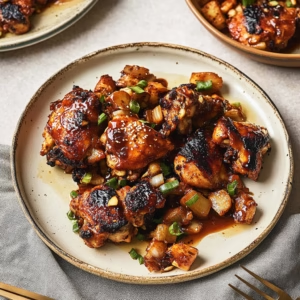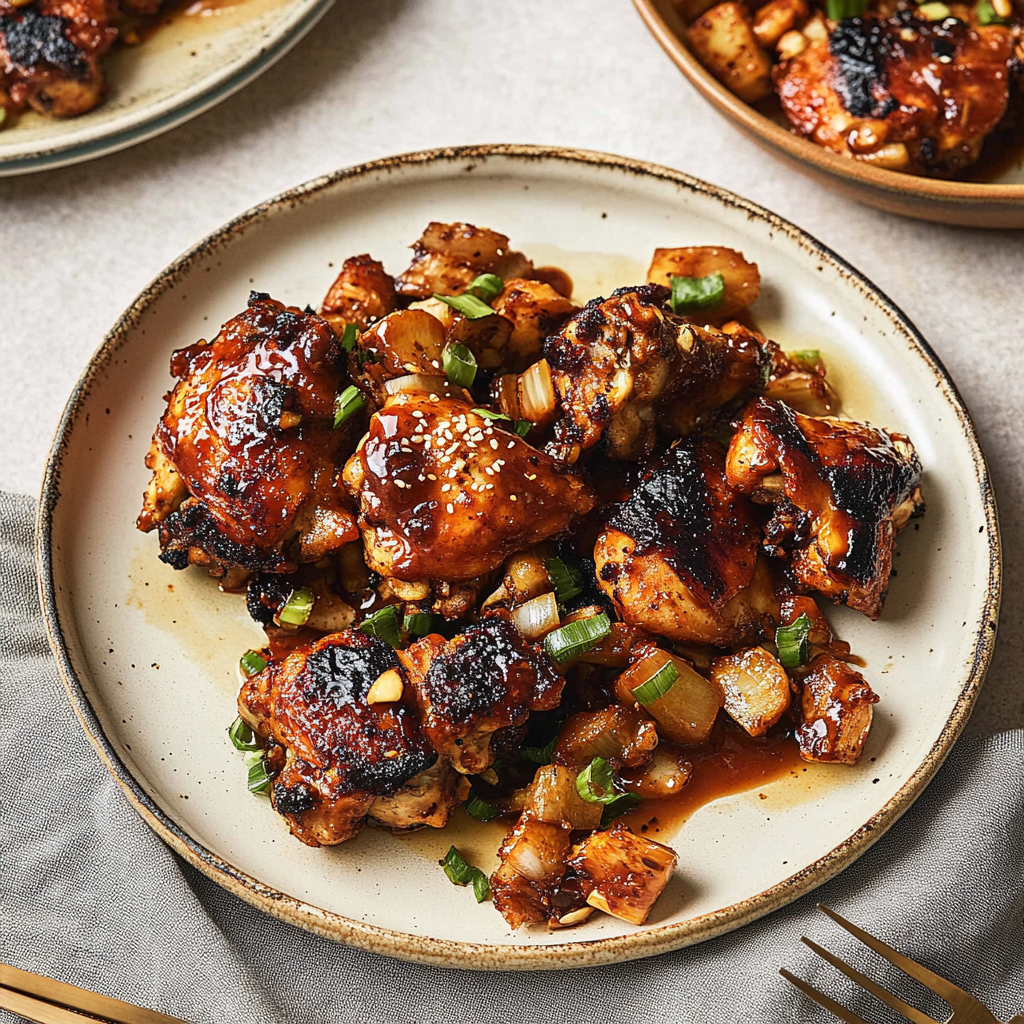
Sheet Pan Gochujang Chicken Thighs bring the bold, smoky heat of Korean cuisine into your weeknight routine with minimal effort. Picture golden-brown chicken coated in a glossy glaze of fermented chili paste, balanced by the natural sweetness of honey and toasted sesame oil. Roasted cauliflower and shallots soak up every savory drop, transforming this sheet pan dish into a complete meal. Whether you’re feeding a family, meal-prepping for a busy workweek, or craving a flavor-packed alternative to grilled chicken, this recipe delivers restaurant-quality results with all the convenience of one-pan cooking.
What makes these Gochujang Chicken Thighs special isn’t just their speed—it’s the layers of umami and heat that build over time. The gochujang paste, a cornerstone of Korean cooking, works its magic while marinating, infusing the chicken with depth. As the dish bakes, its caramelized edges get an extra boost under the broiler, creating a crackle-sweet crust that offsets the tender, juicy meat inside. Even better? There’s no need to juggle multiple pots and pans. This is the ultimate recipe for simplifying your kitchen routine without compromising on soul-satisfying flavor.
What is Sheet Pan Gochujang Chicken Thighs?
At its core, Sheet Pan Gochujang Chicken Thighs is a modern twist on a Korean staple. Gochujang paste, made from fermented soybeans, glutinous rice, and chili, delivers a complex blend of spicy, sweet, and tangy notes. Traditionally used in stews, dipping sauces, and marinades, gochujang here becomes the star of a fast, one-pan meal. By pairing the paste with hot honey and toasted sesame oil, this recipe amplifies the Korean heat while rounding out the flavor profile with warmth and subtle smokiness.
Unlike many Korean recipes that require skillful balance of flavors, this dish leans into simplicity. The roasted shallots caramelize into buttery sweetness, while the cauliflower absorbs the marinade’s boldness, becoming a textural contrast to the crispy chicken. The dish honors Korean culinary traditions while adapting to modern kitchen needs—zero fermentation process required, just a marinate-bake-broil workflow. The result? A global comfort food that’s as easy to prepare as it is memorable to eat.
Reasons to Try Sheet Pan Gochujang Chicken Thighs
This recipe isn’t just about convenience; it’s about unlocking flavor in the simplest ways. For families, it means a stress-free weeknight dinner where parents can serve a globally inspired meal even on their most chaotic days. For home cooks new to Asian ingredients, it offers a gentle introduction to gochujang’s versatility without recipe intimidation. And for anyone who loves bold, unapologetic flavors, this dish delivers a punch of sweet, spicy, and savory satisfaction in one bite.
The key selling point is its efficiency. With just one sheet pan and 25 minutes of active time (mostly waiting for the chicken to marinate), you avoid the clutter of multiple pans and griddles. The sheet pan’s magic lies in how the chicken bastes itself in the marinade while the vegetables roast below, creating a self-sufficient, flavor-layered meal. Cleanup is a breeze, and leftovers reheat well in the oven, making these thighs a winning choice for meal prep. Whether you’re cooking for yourself, your partner, or a full table, this recipe checks all the boxes for taste, ease, and adaptability.
Ingredients Needed to Make Sheet Pan Gochujang Chicken Thighs
- 3/4 cup gochujang paste (use gluten-free version if needed)
- 4 tablespoons hot honey (adjust to taste)
- 3 tablespoons soy sauce (low-sodium preferred)
- 4 tablespoons olive oil
- 1 tablespoon toasted sesame oil
- 4 boneless skinless chicken thighs (about 1.5 lbs total)
- 1 head cauliflower, cut into 2-inch florets
- 4 large shallots, halved lengthwise
- 1 teaspoon kosher salt, plus more to taste
- Scallions, thinly sliced (for garnish)
Instructions to Make Sheet Pan Gochujang Chicken Thighs – Step by Step
Step 1: Begin by preheating your oven to 425°F (220°C). While the oven warms, prepare the marinade. In a large mixing bowl, whisk together the gochujang paste, hot honey, soy sauce, olive oil, and toasted sesame oil. This combination creates a vibrant, slightly gritty sauce that’s rich with smoke, heat, and the nutty depth of sesame. If your gochujang is too thick, a quick whisk with a fork should loosen it; if it’s particularly grainy, blend it briefly in a blender to create a smoother coating for the chicken.
Step 2: Add the chicken thighs to the marinade and toss until fully coated, making sure the marinade reaches between the meat layers. Cover the bowl with plastic wrap or a lid and let it rest in the fridge. Marinating for at least 1 hour is essential—this time allows the gochujang to work its magic, softening the chicken’s fibers and infusing the flavor. For maximum impact, go ahead and marinate up to 6 hours, although 2–3 hours is usually sufficient. During this time, you can prep the vegetables or move on to other cooking tasks.
Step 3: When you’re ready to bake, line a large rimmed baking sheet with parchment paper for easy cleanup. Spread the marinated chicken thighs across the sheet, spacing them so they have room to brown. Nestle the prepared cauliflower florets and halved shallots around the chicken in a single layer. Drizzle the remaining marinade over the vegetables, using your hands to gently massage it into the shallots and cauliflower. This ensures every piece gets flavor, especially the denser cauliflower which needs time to absorb the sauce. Sprinkle the kosher salt evenly over everything, then set the pan in the oven.
Step 4: Bake for 20–25 minutes, rotating the pan halfway through to ensure even browning. Keep an eye on the chicken: you’re looking for a rich mahogany crust without burning. The chicken is done when the juices run clear and a meat thermometer inserted into the thickest part (avoiding the bone) reads 165°F (74°C). While the chicken cooks, the cauliflower will soften to a tender-crisp, and the shallots will caramelize into sweet, toasted edges—this is the perfect texture contrast to the crispy chicken skin.
Step 5: For the finishing touch, turn the oven to broil on high and move the rack to the top position of your oven. This melt-your-face-off step gives the chicken one last round of browning, turning the outer layer into a crackle-sweet crust. Broil for 2–3 minutes, watching closely to prevent scorching. The vegetables, especially the shallots, may darken slightly but won’t burn at this distance. Once done, transfer the pan to a heatproof surface and let everything rest for 5 minutes before serving. This resting period ensures the chicken stays juicy once sliced.
Chef’s Tips for a Perfect Result
- Balance your heat level first: Taste a small amount of the marinade before adding the chicken. Adjust the hot honey to match your spice preference—add 1–2 teaspoons for extra kick or omit it for milder flavor.
- Use a good gochujang: The quality of your gochujang paste makes a difference. Look for commercial brands like Gochujang Original or experiment with homemade versions for maximum depth of flavor (no added sugar, if possible).
- Cook on a preheated sheet pan: For optimal browning, cling the sheet pan to the oven while preheating. A hot pan sears in the initial caramelization that becomes the base for your golden crust.
- Add miso for umami: For a savory depth that enhances the marinade, mix in 1/2 tablespoon of white or red miso paste into the gochujang sauce. Stir well to ensure it dissolves evenly.
- Test the chicken carefully: Insert the thermometer into the thickest part of the thigh, avoiding the bone. If the chicken reads 160°F (71°C), it will finish cooking during the broiling phase to a perfect 165°F.
- Don’t garnish until serving: The scallions add freshness, but adding them too early will wilt their texture. Sprinkle just before dividing the dish onto plates.
Variations and Substitutions
- Gluten-Free Option: Replace regular soy sauce with tamari to eliminate gluten. Always confirm your gochujang is labeled gluten-free, as some brands may use wheat in cross-contamination processes.
- Vegetarian Swap: Substitute chicken thighs with large cubes of firm tofu or eggplant. Press the tofu thoroughly, then marinate as instructed to absorb the gochujang glaze.
- Kids’ Version: Dilute the gochujang by half with additional soy sauce to mellow the heat. Skip the hot honey entirely for a milder flavor.
- Low-Carb Adaptation: Replace cauliflower with broccoli florets or asparagus for fewer carbs and more crunch. Broccoli marries well with gochujang’s spice, adding a buttery contrast to the chicken.
- Grain-Free Serve: Skip the rice and starches traditionally served with Korean dishes. Serve over cauliflower rice or julienned cabbage for a zesty, low-carb base.
How to Serve and Pair
This dish sings best when served warm from the oven, while the sauce is still glossy and the chicken is irresistibly juicy. For optimal presentation, scatter the chicken thighs, golden vegetables, and drizzled sauce across a wide platter to showcase the vibrant colors. Garnish with fresh scallions and a few toasted sesame seeds for added texture and visual flair. Pair the dish with a cooling side like kimchi, pickled cucumbers, or avocado slices to balance the heat.
For a complete meal, serve over steamed jasmine rice, quinoa, or ramen noodles. The carrots, bok choy, or snap peas in your ramen broth will complement not only the chicken but also the caramelized vegetables. Leftovers can be transformed into a grain bowl by combining them with arugula, tofu, and a lime-ginger dressing. Occasions like family gatherings or game nights can easily feature this dish as a centerpiece, offering a fusion of Korean boldness and American simplicity that appeals to diverse appetites.
Storage and Reheating
Refrigerator
Store in an airtight container for up to 4 days. For best results, separate the chicken from the vegetables if possible, as the leaned texture will absorb the sauce over time. Lay the chicken on a paper towel to absorb excess liquid before refrigerating, and keep the vegetables in a separate container to maintain their crispness.
Freezer
Freeze in a single layer on a parchment-lined baking sheet, then transfer to an airtight freezer bag. Marinated chicken can be frozen up to 2 months. Fully cooked chicken (with vegetables one day post-cooking) benefits more from freezing the raw chicken separately and reheating the vegetables fresh to prevent over-browning.
Room Temperature
The marinated chicken is safe to leave at room temperature for up to 2 hours before baking. If you’ve marinated it for 1–6 hours in the fridge, you can skip the fridge altogether and proceed directly to baking for a no-cry fermentation situation.
Reheating
To reheat, place the chicken and vegetables on a baking sheet and heat at 350°F (175°C) for 10–15 minutes, or until the chicken warms through and the skin regains some crispiness. Avoid the microwave when reheating—to prevent the chicken from becoming rubbery and losing its bold flavors, the oven or stovetop are your best bets. For a rushed meal, briefly sear the chicken in a cast-iron skillet with a little oil to revive its crust before serving.
Nutritional Values
- Calories: 528 kcal
- Protein: 23 g
- Carbohydrates: 8 g
- Fat: 23 g
- Fiber: 4 g
Nutritional information is approximate and may vary based on prep methods and quantities.
Frequently Asked Questions
Can I use ground chicken instead of thighs?
Absolutely, but the texture will change. Ground chicken may overcook and become dense if baked at high heat, so consider forming it into thighs using mozzarella sticks or tofu for structure. Reduce baking time by 20% and use a less aggressive marinade to avoid the meat from burning.
How do I know when the chicken is done?
The chicken is safely prepared at an internal temperature of 165°F (74°C). When the juices run clear and the meat is no longer pink under the skin, it’s ready. Always use a meat thermometer for accuracy, especially with marinated chicken which can dry out if overcooked.
Why is my chicken tasting a little bland?
This often happens when the chicken isn’t given enough time to marinate or when the gochujang react with other ingredients like sugar. Check the seasoning ratios and ensure your marinade isn’t diluting the paste with too much water or other liquids. Add a splash of rice vinegar or lemon juice to brighten the flavor profile if needed.
Can I prep this in advance?
Definitely—you can prepare the marinade up to 2 days ahead and marinate the chicken in the fridge until you’re ready to bake. For full meal prep, cook the vegetables separately and reheat with the chicken during the final broil for optimal texture while saving time when assembling the full dish later.
Can I customize this for personal taste?
Of course! This recipe is a canvas. Swap the gochujang sauce with gochugaru (Korean chili flakes) for a spicier option, or add sambal oelek for an Indonesian twist. Toss in shredded brussels sprouts or bell peppers for a veggie-packed version the whole family will love.
Conclusion
Sheet Pan Gochujang Chicken Thighs prove that bold Korean cuisine can be as quick and simple as your favorite weeknight comfort food. With just one pan, a handful of pantry staples, and 25 minutes of hands-on work, you unlock layers of heat, sweetness, and umami that rival any Korean restaurant. And the best part? This recipe’s versatility adapts to any diet, occasion, or craving—whether you crave spicy, crave simple, or crave something different for the week ahead. So preheat that oven, trust the process, and let the chochujang carry you into a taste experience that’s as nourishing as it is unforgettable.
Print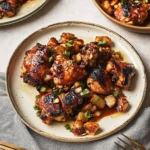
Sheet Pan Gochujang Chicken Thighs with Crispy Cauliflower and Shallots
- Prep Time: 15
- Cook Time: 40
- Total Time: 55
- Yield: 4-6 servings 1x
- Category: dinner
- Method: Roasting and Broiling
- Cuisine: Korean
Description
A weeknight-friendly Korean-inspired dish featuring marinated chicken thighs, roasted with cauliflower and shallots, finished under the broiler for caramelized flavor. Bold, smoky gochujang pairs with honey and sesame oil, offering tender meat and crispy veggies in one effortless pan.
Ingredients
8 skinless, boneless chicken thighs
3 tablespoons gochujang paste
2 tablespoons honey
1 tablespoon toasted sesame oil
2 tablespoons soy sauce (low sodium if preferred)
4 cloves garlic, minced
1 teaspoon ground ginger, fresh
2 cups cauliflower florets
1 yellow shallot, sliced
2 tablespoons neutral oil (e.g., canola or vegetable)
2 green onions, thinly sliced
1 teaspoon red chili flakes
Instructions
Preheat oven to 425°F (220°C)
In a bowl, mix gochujang, honey, sesame oil, soy sauce, garlic, and ginger into a marinade
Place chicken thighs in a large freezer bag with marinade; seal and massage to coat
Arrange chicken thighs on a parchment-lined sheet pan; pour remaining marinade over them
Surround chicken with cauliflower and shallots, drizzling with neutral oil
Roast for 25 minutes
Remove from oven and increase heat to broil
Broil for 5-7 minutes until glaze is glossy and crispy
Garnish with green onions and chili flakes before serving
Notes
Marinate chicken for at least 20 minutes in the fridge for deeper flavor
Adjust chili flakes to taste for spice level
For extra richness, toss cauliflower in cornstarch before roasting
Serve with rice or steamed noodles for a heartier meal
Store leftovers refrigerated for up to 3 days
Nutrition
- Serving Size: 2 chicken thighs, 1 cup cauliflower, 3 tablespoons shallot mixture
- Calories: 380
- Sugar: 6g
- Sodium: 4200mg
- Fat: 18g
- Saturated Fat: 3g
- Carbohydrates: 20g
- Fiber: 3g
- Protein: 35g
- Cholesterol: 80mg